

Luister gratis naar deze podcast in de app: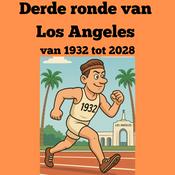 Gratis downloaden in de App Store
radio.net
Slaaptimer
Favorieten opslaan
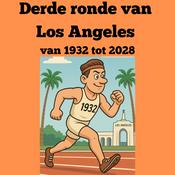
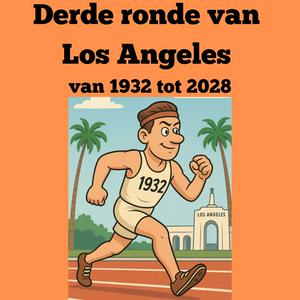
Derde Ronde van Los Angeles van 1932 tot 2028
Rik Bouman & Boudewijn van Eijck
Nieuwste aflevering
56 afleveringen
Deel 45: De rijke geschiedenis van estafettes in de Olympische Spelen, van medailles tot innovaties en de impact op Nederlandse atleten.
06-09-2026 | 27 Min.De rijke geschiedenis van estafettes in de Olympische Spelen, van medailles tot innovaties en de impact op Nederlandse atleten.
The primary focus of this podcast episode revolves around the historical evolution and significance of relay races in Olympic competitions. We delve into the origins of the relay event, tracing its inception back to the University of Pennsylvania in 1893, and its subsequent formal introduction in Olympic history starting from the swimming events in 1904 and the track events in 1908. Notably, we examine the impressive achievements of the Netherlands in relay events, which have culminated in a total of 19 medals across both summer and winter Olympic Games. Furthermore, we explore the gradual inclusion of women's relay events, highlighting the disparities in their recognition and opportunities throughout Olympic history. This episode serves to illuminate the intricacies of relay races, their impact on national pride, and the ongoing innovations that continue to shape these exhilarating competitions.
Takeaways:
The history of relay races is rich and dates back to the early 20th century.
The introduction of the relay format was aimed at making athletic competitions more engaging.
In the 2028 Olympics, a mixed relay event will debut, highlighting gender equality in sports.
The Netherlands has achieved significant success in relay events, securing many medals over the years.
Historically, women's participation in relay events lagged behind men, reflecting societal changes over time.
The evolution of relay events has made them a critical component of Olympic competitions, showcasing teamwork.Deel 44: De Historische Marathon van 1960: Een bijzondere Olympische gebeurtenis in Rome
31-08-2026 | 17 Min.De Historische Marathon van 1960: Een bijzondere Olympische gebeurtenis in Rome.
The 1960 Olympic Marathon in Rome marked a pivotal moment in athletic history, distinguished by its unprecedented course and the remarkable performance of Ethiopian runner Bikila Abebe. This episode delves into the details of this iconic marathon, highlighting the unique circumstances that set it apart from previous events, including its early start time and the absence of a traditional stadium finish. We explore the chaotic pre-race environment, which culminated in Abebe's historic victory, achieved while running barefoot—an act that resonated deeply with spectators and transformed him into a global symbol of endurance and excellence. Furthermore, we reflect on the implications of his triumph for Ethiopia and the broader African continent, as Abebe's success heralded a new era for African athletes on the world stage. The narrative not only celebrates Abebe's athletic prowess but also examines the socio-political context surrounding his achievements, solidifying his legacy as one of the greatest marathon runners in history. The year 1960 marks a significant juncture in the history of athletic competition, particularly highlighted by the distinctive features of the Rome Olympic Marathon. Notably, this marathon diverged from its predecessors in its early scheduling, moving away from the confines of the Olympic Stadium for the first time since the inception of the modern Olympics in 1896. The marathon's path wound through the historic streets of Rome, culminating at the monumental Arco di Constantino, providing a breathtaking backdrop that elevated the event's grandeur. However, the commencement of the race was marred by a chaotic delay, attributed to a disorganized throng of eager participants, which necessitated intervention from the officials to restore order before the race could finally begin. Despite this tumultuous start, the marathon unfolded into a spectacular event that captivated millions of viewers across Europe and the United States, thanks to the burgeoning reach of television. The race featured an unprecedented number of 69 competitors from 35 nations, setting the stage for an unforgettable contest of endurance and strategy. Bikila's victory in the marathon not only secured him a place in sports history but also served as a powerful emblem of national pride for Ethiopia. The aftermath of his triumph was marked by a fervent reception upon his return, orchestrated by Emperor Haile Selassie, who bestowed upon Bikila honors befitting a national hero. This celebration underscored the broader implications of his victory, as it symbolized a triumph over historical grievances, particularly those stemming from Italy's past colonial endeavors in Ethiopia. Furthermore, Bikila's subsequent achievements, including his remarkable performance in the 1964 Tokyo Olympics, where he again claimed the gold medal, solidified his legacy as one of the greatest marathon runners in history. Tragically, his career was cut short due to a severe accident, which left him wheelchair-bound, yet his indomitable spirit and the impact of his achievements continue to inspire athletes and nations alike, evidencing the transformative power of sport.
Takeaways:
The 1960 Rome Olympic Marathon distinguished itself with a record number of participants.
Bikila Abebe's victory in the marathon marked a significant achievement for Ethiopian athletics.
Abebe notably ran the marathon barefoot, showcasing his unique approach to the competition.
The event was televised, allowing millions to witness the marathon for the first time.
The historical context of the marathon reflects the political and cultural environment of the time.
Abebe's journey from a humble background to Olympic champion illustrates the power of determination.
Companies mentioned in this episode:
Volkswagen
New York Times
Belg van DendriessenDeel 43: Ellen van Langen en Femke Bol hebben na 36 jaar samen het Nederlands record op de 800 meter.
16-08-2026 | 21 Min.This podcast episode delves into the recent developments in athletics, particularly the notable performance of Dutch athlete Foppe during the 10,000 meters at the European Championships. We examine the circumstances surrounding Foppe's decision to withdraw from the race, despite being positioned among the leaders, and the implications of such a choice on both his career and the broader context of Dutch athletics. Furthermore, we draw parallels to historical instances, including the experience of Anilis Joseph at the 1972 Olympics, to elucidate the psychological and competitive pressures faced by athletes at this elite level. The discussion also extends to the impressive achievements of contemporary athletes, including Femke Bol, who has made remarkable strides in her transition from the 400 meters to the 800 meters. This episode encapsulates the intricate dynamics of competitive athletics, highlighting both individual struggles and collective triumphs within the sport.
The podcast delves into a detailed analysis of recent athletic events, particularly focusing on the European Championships in athletics. The speakers critically examine the performance of Dutch athletes, highlighting the intense competition and the implications of their results. A significant portion of the discussion centers around the 10,000-meter race, where a Dutch athlete named Foppe made the controversial decision to withdraw from the race despite being in a competitive position. This decision raises questions about mental fortitude and the pressures athletes face during high-stakes competitions. The speakers reflect on the psychological aspects of competing at such a level, noting how the mind can influence performance outcomes just as significantly as physical abilities. Additionally, they draw parallels between Foppe's experience and historical instances of athletes withdrawing from events, providing a broader context to the pressures of elite competition. In a juxtaposition of past and present, the podcast offers insights into the legacy of Dutch athletics, particularly through the lens of Ellen van Langen, a celebrated athlete who won gold in the 800 meters at the 1992 Olympics. The speakers recount her remarkable journey, emphasizing her strategic approach to racing and the mental resilience that characterized her performance. They draw connections between her era and the current crop of athletes, including Femke Bol, who is making waves in the 800 meters after transitioning from hurdles. The discussion underscores the evolution of athletics, showcasing how contemporary athletes are building on the foundations laid by their predecessors. The speakers appreciate the enduring nature of records and achievements in athletics, noting how they serve as benchmarks for future generations while simultaneously fostering a sense of pride and continuity in Dutch sports culture. The podcast delves into a detailed analysis of recent athletic events, particularly focusing on the European Championships in athletics. The speakers critically examine the performance of Dutch athletes, highlighting the intense competition and the implications of their results. A significant portion of the discussion centers around the 10,000-meter race, where a Dutch athlete named Foppe made the controversial decision to withdraw from the race despite being in a competitive position. This decision raises questions about mental fortitude and the pressures athletes face during high-stakes competitions. The speakers reflect on the psychological aspects of competing at such a level, noting how the mind can influence performance outcomes just as significantly as physical abilities. Additionally, they draw parallels between Foppe's experience and historical instances of athletes withdrawing from events, providing a broader context to the pressures of elite competition. In a juxtaposition of past and present, the podcast offers insights into the legacy of Dutch athletics, particularly through the lens of Ellen van Langen, a celebrated athlete who won gold in the 800 meters at the 1992 Olympics. The speakers recount her remarkable journey, emphasizing her strategic approach to racing and the mental resilience that characterized her performance. They draw connections between her era and the current crop of athletes, including Femke Bol, who is making waves in the 800 meters after transitioning from hurdles. The discussion underscores the evolution of athletics, showcasing how contemporary athletes are building on the foundations laid by their predecessors. The speakers appreciate the enduring nature of records and achievements in athletics, noting how they serve as benchmarks for future generations while simultaneously fostering a sense of pride and continuity in Dutch sports culture.
Takeaways:
In the current episode, we discussed recent developments in athletics, particularly focusing on the European Championships.
We examined the perplexing decision of a Dutch athlete to withdraw from the 10,000-meter race, which raised many questions.
The historical context of athletes withdrawing from races at significant events, such as the Olympics, was also explored in detail.
We highlighted the impressive achievements of current athletes, including Femke Bol and her remarkable transition from hurdles to middle-distance running.
The discussion included a retrospective analysis of Ellen van Lange's 1992 Olympic victory, drawing parallels with contemporary athletes.
Finally, we emphasized the importance of mental resilience in sports, as evidenced by the performances of both historical and current competitors.Deel 42: De Olympische Marathon van 1956 in Melbourne, waar Alain Mimoun triomfeert in tropische omstandigheden en zijn vriend Zatopek eert.
12-07-2026 | 8 Min.The Olympic Marathon of 1956 in Melbourne stands as a pivotal moment in athletic history, characterized by both intense competition and remarkable personal stories. Participants faced challenging climatic conditions, with temperatures soaring to 35 degrees Celsius, rendering the race an arduous endeavor. Among the notable athletes was Alain Mimoune, who, driven by a deep personal motivation following the birth of his daughter, demonstrated exceptional resilience and determination throughout the race. This episode delves into the intricate details of the marathon, including the strategic maneuvers of the runners and the dramatic moments that unfolded in the final kilometers. Ultimately, we reflect on the profound relationships formed within the realm of athletics, exemplified by Mimoune's poignant moment with his compatriot Emil Zatopek following the race, which transcended mere competition to embody the spirit of camaraderie and respect among athletes. The year 1956 marked a significant moment in the annals of Olympic history, particularly with the staging of the Melbourne Games. The conditions for the marathon were particularly notable, characterized by an uncommonly warm climate that reached a sweltering 35 degrees Celsius. This temperature proved to be a formidable challenge for the 46 competitors hailing from 23 different nations. The initial start of the marathon was marred by a false beginning, a rare occurrence for such a prestigious event. However, the second start was executed without incident, setting the stage for an exhilarating race. The early kilometers of the marathon served as an exploratory phase for the runners, where the leading favorites included several Finnish athletes alongside a Russian contender, Filin, who was keen on redemption after a prior mishap in the 1954 European Championships. As the marathon unfolded, the strategies and mental fortitude of the athletes were tested, particularly those of Alain Mimoune, who had recently received joyous news of his daughter's birth, a motivation that would accompany him throughout the race. As the marathon progressed, Mimoune demonstrated remarkable tenacity, leading the pack until he experienced a momentary setback, marked by visible fatigue. Yet, in a display of resilience, he found renewed strength, enabling him to surge ahead in the final stretches of the race. The spectators, drawn out by the favorable weather, were treated to a spectacle of endurance and determination. The emergence of portable radios allowed countless fans to follow the race live, creating an electrifying atmosphere as Mimoune approached the finish line. His performance was not merely a personal victory but a testament to years of dedication and hard work, culminating in his victory which was greeted with overwhelming acclaim. Mimoune's triumph was further underscored by the dramatic narratives surrounding his competitors, including the legendary Emil Zatopek, who overcame significant health challenges to complete the race. The camaraderie and respect shared by the athletes were poignantly illustrated in the aftermath, when Mimoune joyfully informed Zatopek of his victory, leading to a moment of heartfelt recognition that transcended the competitive spirit of the event. This marathon not only solidified Mimoune's legacy but also captured the essence of Olympic camaraderie, where personal achievements and shared experiences coalesce into a rich tapestry of sportsmanship and human spirit. The Olympic marathon of 1956 in Melbourne stands as a testament to human endurance and the fervor of competition, set against the backdrop of extraordinary weather conditions. The race began with an unusual false start, a rare event that set an intense tone for what was to follow. The athletes, comprising 46 representatives from 23 nations, faced the challenge of running in extreme heat, which reached 35 degrees Celsius. Among them, Alain Mimoune emerged as a figure of both tenacity and inspiration, driven by a personal milestone—the birth of his daughter, which he learned about just a day before the race. His emotional investment and rigorous preparation illustrated the profound intertwining of personal and professional realms in an athlete’s life. As the marathon unfolded, Mimoune initially experienced uncertainty, navigating the early kilometers alongside formidable competitors such as Filin from Russia and several Finnish athletes. However, as the race progressed, Mimoune found his stride, showcasing not only his physical capabilities but also his mental fortitude. The atmosphere was electric, with thousands of spectators present, buoyed by the pleasant weather and the novelty of portable radios that allowed fans to engage with the unfolding drama. Mimoune’s lead fluctuated as fatigue set in, yet he managed to summon a renewed vigor that propelled him toward victory. His triumph was not merely a personal achievement; it epitomized the culmination of years of hard work and perseverance. The aftermath of the marathon was equally poignant, marked by Mimoune’s heartfelt interaction with Zatopek, who, despite facing his own challenges, celebrated Mimoune’s victory. This moment captured the essence of the Olympic spirit—where individual achievements are intertwined with mutual respect and camaraderie among competitors. The marathon of 1956 thus remains not only a significant athletic achievement but also a powerful narrative of resilience, community, and the indomitable human spirit, resonating through the ages as an enduring legacy of the Olympic Games.
Takeaways:
In 1956, the Melbourne Olympics presented unique weather conditions which influenced the marathon.
The marathon featured 46 participants from 23 countries, racing in extreme heat conditions.
Alain Mimoune's personal journey included significant preparation and emotional motivation for his race.
The camaraderie and respect between athletes, particularly Mimoune and Zatopek, highlighted the spirit of sportsmanship.
Companies mentioned in this episode:
Alain Mimoune
Filin
Mihalic
Faiko Karavonen
Emil Zatopek
RacingDeel 41: President Theodore Roosevelt en de dramatische marathon van de Olympische Spelen 1904 in St. Louis, vol uitdagingen, doping en opmerkelijke atleten.
05-07-2026 | 12 Min.The discourse centers on the remarkable and tumultuous history of the 1904 Olympic Marathon held in St. Louis. We delve into the intense negotiations preceding the selection of St. Louis as the host city, influenced significantly by President Theodore Roosevelt, who sought to elevate American prominence in the global arena of athletics. The episode meticulously recounts the arduous conditions faced by marathon participants, including oppressive heat, unpaved routes, and the scarcity of hydration, which collectively contributed to a harrowing experience for the athletes. Noteworthy narratives emerge from the race, including the controversial strategies employed by Thomas Hicks, the eventual winner, who resorted to stimulant use, a practice that predated modern doping regulations. Through these accounts, we illuminate the complexities and challenges of early Olympic competitions, reflecting on how they have shaped contemporary perspectives on athletic integrity and endurance.
The 1904 Olympic Games, which took place in St. Louis, are marked by a complex backdrop of political negotiation and the quest for national representation on the global stage. The initial proposal for the Games to be hosted in England faced opposition, as the influential Pierre de Coubertin advocated for an American venue to enhance the international stature of the Olympics. Despite Chicago being selected as the initial choice, President Theodore Roosevelt's intervention redirected the event to St. Louis, where it coincided with a World’s Fair celebrating the Louisiana Purchase. This strategic shift not only highlights the political dimensions of the Games but also reflects the interplay between national identity and international sporting events. The controversy surrounding the race is epitomized by the figure of Thomas Hicks, whose victory was shrouded in allegations of doping. The administration of strychnine and other stimulants, which were not yet recognized as performance-enhancing drugs, raises critical questions about the ethics of sportsmanship during this period. Hicks's experience illustrates the blurred lines between enhancement and exploitation in competitive sports, setting a precedent for future discussions about athlete welfare and the integrity of athletic competition. The 1904 marathon thus serves as a microcosm of the broader evolution of the Olympic movement, encompassing themes of resilience, ethical dilemmas, and the relentless pursuit of excellence.
Takeaways:
The selection of St. Louis as the host city for the 1904 Olympic Games was a result of extensive negotiations and political influences.
President Theodore Roosevelt played a crucial role in designating St. Louis as the city to host the Olympic Games of 1904.
The marathon event of 1904 was marked by extreme conditions, including high temperatures and a challenging course that tested the endurance of the athletes.
Felix Carvajal, a Cuban runner, showcased remarkable determination by arriving just in time for the race despite numerous hardships during his journey to St. Louis.
The 1904 marathon witnessed dramatic incidents, including competitors collapsing and the use of dubious substances by some participants to enhance performance.
Thomas Hicks's victory in the marathon was controversial, involving the administration of stimulants and resulting in significant discussions regarding doping in athletics.
Meer Documentaire podcasts
 De Kunst van het VerdwijnenDocumentaire, Maatschappij & cultuur, Waargebeurde misdaad
 BobDocumentaire, Maatschappij & cultuur
 Wind of ChangeDocumentaire, Maatschappij & cultuur, Muziek
 Bizarre VerhalenDocumentaire, Maatschappij & cultuur, Waargebeurde misdaad
 NRC Uitgelicht: KoekoekskindDocumentaire, Maatschappij & cultuur, Nieuws, Waargebeurde misdaad
 Het Verhaal van de SchaalDocumentaire, Maatschappij & cultuur
 De Ware JacobDocumentaire, Maatschappij & cultuur, Waargebeurde misdaad
 Van Dis OngefilterdBoeken, Documentaire, Kunst, Maatschappij & cultuur
 Black Box: The ChatbotsDocumentaire, Maatschappij & cultuur, Nieuws
 I’m Not a Monster Presents… Where is Austin Tice?Documentaire, Maatschappij & cultuur, Waargebeurde misdaad
Trending Documentaire -podcasts

Over Derde Ronde van Los Angeles van 1932 tot 2028
Sport Podcast over de Olympische Spelen.
In deze podcastserie, 'Derde Ronde van Los Angeles van 1932 tot 2028', verken ik, Rik Bouman, samen met Boudewijn van Eijck de rijke geschiedenis van de Olympische Spelen, met een bijzondere focus op de edities van 1932 en 1984 in Los Angeles, alsook de aanstaande spelen van 2028. Wij zijn beiden fervente sportliefhebbers en delen onze passie door te reflecteren op memorabele momenten en verborgen verhalen uit het verleden, terwijl wij ook vooruitkijken naar de toekomst van de Olympische evenementen. In deze serie zullen wij niet alleen de sportieve prestaties van legendes zoals Carl Lewis en Michael Jordan bespreken, maar ook de perspectieven van atleten, coaches en verslaggevers die betrokken waren bij deze iconische gebeurtenissen. Wij nodigen u uit om ons te volgen, zodat u geen enkel aspect van deze fascinerende sportgeschiedenis mist. Onze eerste aflevering is gepland voor 25 augustus, en we zullen wekelijks nieuwe inzichten en anekdotes met u delen.
From 1932 to 2028: The Evolution of the Olympic Spirit in Los Angeles
Our podcast series embarks on an ambitious exploration of the Olympic Games, with a particular focus on the historical significance of the 1932 and 1984 Olympics in Los Angeles, as well as the forthcoming 2028 Games. Boudewijn van Eijck and Rik Bouman, two passionate sport enthusiasts, endeavor to provide listeners with an in-depth analysis that goes beyond the surface-level achievements of athletes, delving into the rich narratives and anecdotes that have shaped the Olympic legacy. This journey will not only celebrate past glories but also set the stage for future aspirations, creating a dialogue that bridges generations of sports history.
In each episode, we will engage with a variety of voices from the world of sports, including athletes who competed in the earlier games, coaches who shaped their journeys, and journalists who chronicled these historic events. By weaving together these diverse perspectives, we aim to paint a comprehensive portrait of the Olympic experience, shedding light on the triumphs, struggles, and cultural significance of these games. The podcast promises to uncover hidden stories that have been obscured by time but remain integral to understanding the essence of the Olympics.
As we anticipate the excitement of the 2028 Games, listeners are invited to reflect on the evolution of Olympic sports and the values they represent, such as resilience, determination, and international unity. By following our series, audiences will gain a deeper appreciation for the Olympics as a celebration of human achievement and a testament to the enduring spirit of competition that continues to inspire athletes and fans alike.
Takeaways:
= This podcast series titled 'Derde Ronde van LA' will explore the Olympic Games from 1932 to 2028.
= Boudewijn van Eijck and Rik Bouman, both passionate sports enthusiasts, host this podcast.
Listeners will be treated to historical anecdotes and insights about past Olympic events in Los Angeles.
The series aims to provide a comprehensive perspective on the upcoming 2028 Olympic Games.
Each episode will feature discussions with athletes, coaches, and journalists to enrich the narrative.
The first episode will air on August 25, providing a unique look into Olympic history.
Podcast websiteLuister naar Derde Ronde van Los Angeles van 1932 tot 2028, De Kunst van het Verdwijnen en vele andere podcasts van over de hele wereld met de radio.net-app
Ontvang de gratis radio.net app
- Zenders en podcasts om te bookmarken
- Streamen via Wi-Fi of Bluetooth
- Ondersteunt Carplay & Android Auto
- Veel andere app-functies
Ontvang de gratis radio.net app
- Zenders en podcasts om te bookmarken
- Streamen via Wi-Fi of Bluetooth
- Ondersteunt Carplay & Android Auto
- Veel andere app-functies

Derde Ronde van Los Angeles van 1932 tot 2028
Scan de code,
download de app,
luisteren.
download de app,
luisteren.
Derde Ronde van Los Angeles van 1932 tot 2028: Podcasts in familie
 Netherlands