
Luister gratis naar deze podcast in de app: Gratis downloaden in de App Store
radio.net
Slaaptimer
Favorieten opslaan
145 afleveringen
Cheshvan: Feeling Convicted Isn’t the Same as Obeying God
02-11-2026 | 30 Min.Feeling convicted isn’t the same as obeying God. As we walk through the Hebrew month of Cheshvan, what does it look like to move from hearing God’s instruction to responding with surrender, obedience, and everyday faithfulness?
In this episode of Generations at the Table, Megann Marcellino explores how the ordinary choices we make today can shape the faith we carry into the next generation. Through James 1, the story of Noah, the teachings of Jesus, and an honest account of her own family’s journey, she invites us to consider what happens after we say yes to God.
Sometimes obedience means stepping out in faith. Sometimes it means being still, releasing control, or opening our hearts to an invitation we didn’t expect.
In this conversation, discover:
• Why conviction is an invitation to respond.
• How to become a doer of the Word, not only a hearer.
• Why obedience can look different in different seasons.
• How one moment of surrender becomes daily faithfulness.
• How ordinary family rhythms help build a generational legacy.
• Why missed opportunities can lead us back to repentance and grace.
Along the way, Megann explores a Jewish teaching about Noah’s generation, clearly distinguishing that reflection from the biblical text, and connects the conversation to the Jewish roots of the Christian faith.
If you’ve sensed God asking you to take a step but haven’t known how to begin, pull up a seat. There is grace to return, surrender, and respond.
What is one action that would turn your agreement with God into obedience this week?Subscribe to Generations at the Table with Megann Marcellino for conversations about the Hebrew calendar, biblical rhythms, family, and following Jesus in everyday life.God Sees the Faithfulness Nobody Else Sees
20-10-2026 | 28 Min.Do your ordinary days really matter to God? In the Hebrew month of Cheshvan, discover why everyday faithfulness, unseen obedience, and the small things you do with love can leave a generational legacy.
In this episode of Generations at the Table, Megann Marcellino explores the spiritual significance of Cheshvan on the Hebrew Calendar and the invitation to live out what God planted in us during Tishrei and the fall feasts.
Through Noah’s daily responsibilities inside the ark and the genuine faith of Timothy’s grandmother Lois and mother Eunice, Megann shares how God works through ordinary people who faithfully steward what He has placed in their hands.
You do not have to know what comes next to be faithful with what God has entrusted to you today.
In this conversation, discover how to:
• Recognize the significance of faithfulness when nobody notices.
• Trust God’s timing while tending today’s responsibilities.
• Pass on faith through consistent actions and everyday relationships.
• Build a legacy that reaches beyond your own children or family.
• Approach your work, home, and acts of service as offerings to the Lord.
• Return to repentance and obedience when you fall short.
Megann also shares a tender moment between her son and Rabbi Curt Landry that revealed how deeply children absorb the faith modeled around them.
Whether you are raising children, caring for others, teaching, working, or simply showing up for someone who needs you, your ordinary days can have an extraordinary impact.
Generations at the Table is a trusted bridge for Christians exploring the Jewish roots of their faith. Join Megann as she helps take the scary out of Jewish roots and connects the Hebrew Calendar, biblical rhythms, and faith in Yeshua, Jesus, to everyday life.
What is one ordinary responsibility you are choosing to see as an assignment from God? Share in the comments.
Subscribe for more conversations about the Hebrew months, faith, family, and building a generational legacy.Cheshvan | When Your Family Doesn’t Understand Your Growth
13-10-2026 | 36 Min.What do you do when your family doesn’t understand your spiritual growth? As we journey through the Hebrew month of Cheshvan, discover how to break old patterns, establish healthy boundaries, and give the people you love time to adjust without going backward.
In this episode of Generations at the Table, Megann Marcellino explores what happens when God changes your heart and that change begins reshaping your relationships. From honoring Shabbat and embracing biblical rhythms to responding differently in marriage and family life, lasting transformation takes patience, consistency, grace, and truth.
Through the stories of Zacchaeus and the Apostle Paul, along with honest examples from her own marriage and family, Megann shares how to:
• Stay faithful when others still see the old version of you.
• Choose obedience to God over people pleasing.
• Set boundaries with love instead of anger.
• Let your conduct reflect your faith without pressuring others.
• Repent, repair, and return when you fall into an old pattern.
• Build a legacy of faith that impacts future generations.
The Hebrew Calendar offers a meaningful framework for carrying the spiritual lessons of the fall feasts into everyday life. Cheshvan invites us to practice the habits that sustain growth after the celebrations end.Generations at the Table explores the Jewish roots of Christianity through faith in Yeshua, Jesus the Messiah.
Megann helps take the scary out of Jewish roots, offering Christians a welcoming bridge between biblical understanding and everyday faith.
What is one change God is growing in you that others are still learning to understand? Share what you feel comfortable sharing in the comments.
Subscribe and pull up a seat for more conversations about the Hebrew months, spiritual growth, and building a legacy of faith.The Hebrew Month of Cheshvan: Don’t Bring Old Habits Into a New Season
06-10-2026 | 30 Min.The Hebrew month of Cheshvan asks a powerful question: Will what you experienced with God become how you live? If God is doing a new thing, why do we keep returning to old habits?
In this episode of Generations at the Table, Megann Marcellino explores the Hebrew Calendar and its spiritual significance through the transition from Tishrei’s fall feasts into Cheshvan’s ordinary days. After Rosh Hashanah, Yom Kippur, and Sukkot, the invitation is to carry what God began into our homes, relationships, and daily routines.
Through Isaiah 43, Noah’s new beginning, Joseph’s story, and a warning from King Jeroboam, Megann explores how faith, obedience, and consistent action help us steward a new season.
In this conversation:
Why new beginnings can feel uncomfortable
How old habits keep us recreating the past
The difference between spiritual discipline and striving for perfection• What Joseph and Manasseh teach us about moving beyond past hurt
How convenience can pull us away from obedience
How Shabbat and daily time with God create meaningful rhythms.
As we walk into Hebrew year 5787, this is an invitation to build a life that supports what God is growing in you. “Don’t chase the next encounter. Build a life that can carry the last one.”
Generations at the Table helps take the scary out of Jewish roots, offering Christians an approachable bridge to the Jewish roots of our faith and a deeper walk with Jesus.
What is one daily habit you want to change to support what God is doing in your life? Share in the comments, and subscribe for more conversations about faith, family, and the Hebrew Calendar.Doing All the Right Things Can Still Leave You Empty
29-09-2026 | 22 Min.Are Christian rituals biblical, or can repeated spiritual practices actually get in the way of a relationship with God?
In this episode of Generations at the Table, Megann Marcellino explores the difference between empty religious ritual and biblical rhythms that continually point us back to the heart of God.
From Shabbat and Sukkot to the Feasts of the Lord and the Hebrew calendar, Scripture is filled with rhythms, patterns, and repeated practices. But these practices were never meant to become a substitute for relationship. They were meant to create space for remembrance, obedience, rest, worship, and dwelling in God’s presence.
Megann looks at Jesus’ words in Matthew 23, Paul’s teaching in Colossians 2:16-17, the Jewish roots of Jesus’ own life, and the question Christians still wrestle with today: If salvation is by grace, what role should obedience, spiritual disciplines, and biblical rhythms have in our lives?
The answer is not legalism. And it is not abandoning every outward practice.
The question is what those practices are forming inside of us.
If you have ever wondered about Shabbat, the biblical Feasts, the Hebrew calendar, or how Christians can explore the Jewish roots of their faith without turning them into works or religious obligation, this conversation will help take the scary out of Jewish roots and bring the focus back where it belongs: Jesus, relationship, and the presence of God.
The ritual is not the destination. His presence is.
What rhythm in your own life helps you slow down and return your attention to God?
Meer Christendom podcasts









Trending Christendom -podcasts


















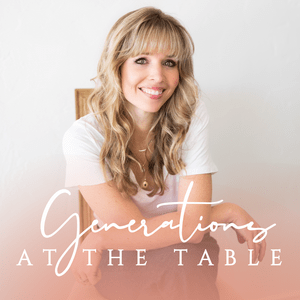
Over Generations at the Table
Balancing faith and family in a modern world.
Podcast websiteLuister naar Generations at the Table, De Ongelooflijke Podcast en vele andere podcasts van over de hele wereld met de radio.net-app
Ontvang de gratis radio.net app
- Zenders en podcasts om te bookmarken
- Streamen via Wi-Fi of Bluetooth
- Ondersteunt Carplay & Android Auto
- Veel andere app-functies
Ontvang de gratis radio.net app
- Zenders en podcasts om te bookmarken
- Streamen via Wi-Fi of Bluetooth
- Ondersteunt Carplay & Android Auto
- Veel andere app-functies

Generations at the Table
Scan de code,
download de app,
luisteren.
download de app,
luisteren.
 Netherlands

