
Luister gratis naar deze podcast in de app: Gratis downloaden in de App Store
radio.net
Slaaptimer
Favorieten opslaan
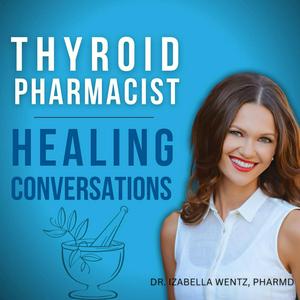
Thyroid Pharmacist Healing Conversations with Dr. Izabella Wentz
Dr. Izabella Wentz
Nieuwste aflevering
123 afleveringen

123: Medical Gaslighting & Chronic Symptoms: How to Advocate for Yourself With Dr. Efrat LaMandre
19-10-2026 | 35 Min.In this episode of Thyroid Pharmacist Healing Conversations, Dr. Izabella Wentz speaks with Dr. Efrat LaMandre (Dr. E) about medical gaslighting, why it happens, and how patients can change their approach to ensure they get the right care. Dr. E. explains why doctors may seem dismissive if they don’t find anything on lab tests, why patients can unintentionally dismiss their own symptoms, and how to communicate in a way that healthcare providers understand. She also shares practical strategies for self-advocacy and how to find answers when a doctor’s visit doesn’t bring the clarity you’re certain you need.
In this episode, you’ll discover:
What to do when you’re told “everything looks normal” but you KNOW something isn’t right. Dr. E talks about why a normal test result doesn’t necessarily mean everything is OK – and what to do when it’s time to seek another perspective. .
Are you accidentally gaslighting yourself? It’s easy to dismiss your own symptoms or decide you should just push through. Dr. E shares what happened after she dismissed her own persistent back pain, the life-changing diagnosis that followed, and why your concerns deserve attention.
Why changing the way you talk to your provider can change the outcome of a visit. Taking a data-based approach – for instance, talking about timelines, patterns, and numbers – will help them get a clearer picture of what’s going on while sending the message that you are knowledgeable and serious about your health.
Why you don’t need to choose between conventional and functional medicine. What if the problem isn’t a matter of one person being “wrong,” and the other being “right?” The best strategy, according to Dr. E, is to build a healthcare team comprised of different practitioners who offer equally important information, support, and expertise.
Are you still apologizing for taking up your doctor’s time? From a young age, most of us are conditioned to be “good patients” and to defer to authority, minimize concerns, and assume the expert knows our body better than we do. Here’s how to advocate for yourself without becoming confrontational or feeling like you have to prove yourself.
Why you should keep looking for answers. Whether it’s your own health or something you’re noticing in your child, Dr. E’s message is simple: trust yourself. Keep asking questions, keep looking for answers, and keep looking for other types of experts to build your healthcare team.
Tune in to learn more about medical gaslighting, patient self-advocacy, and how to keep searching for answers when something doesn’t feel right.
Be sure to subscribe to the Thyroid Pharmacist Healing Conversations podcast so you don’t miss an episode!
Sign up for the Thyroid Pharmacist Weekly Thyroid Solutions Newsletter here: https://thyroidpharmacist.com/gift/
For the full list of resources and products mentioned in this episode, and to get the full episode transcript, see complete show notes here: https://thyroidpharmacist.com/articles/podcast/
Learn more about your ad choices. Visit megaphone.fm/adchoices122: Ending Chronic Illness: A New Program to Reverse Inflammation & Heal Persistent Disease With Dr. Richard Horowitz
12-10-2026 | 1 u. 19 Min.In this episode of Thyroid Pharmacist Healing Conversations, Dr. Izabella Wentz speaks with Dr. Richard Horowitz, an integrative physician who has spent more than 40 years working with complex chronic illness, including Lyme and tick-borne diseases. His work eventually led him to develop the MSIDS model, or Multiple Systemic Infectious Disease Syndrome, which looks at 16 different factors that may contribute to chronic illness rather than focusing solely on a diagnosis or individual symptoms.
Dr. Horowitz explains why he believes infections, environmental toxins, gut dysfunction, nutrient deficiencies, sleep problems, and other factors can overlap beneath chronic symptoms. He also shares his perspective on the connection between Lyme and thyroid health, the complexities of testing for tick-borne illnesses, the gut-histamine-nutrient connection, and why he believes conventional medicine and root-cause approaches don't have to be opposing philosophies.
What you’ll learn in this episode:
The “six rivers of inflammation” that may be fueling chronic illness: Since multiple health factors can lead to symptoms, knowing where to start with your healing can feel overwhelming. Dr. Horowitz shares how addressing foundational factors, including infections, environmental toxins, gut dysfunction, nutrient deficiencies, and sleep problems, can help you start putting the pieces of the puzzle together.
Why thyroid symptoms may start elsewhere in the body: The thyroid is part of a connected hormone system, with the brain helping direct how it works. Dr. Horowitz explains how inflammation from Lyme may disrupt those signals, potentially affecting thyroid function, adrenal hormones, and sex hormones such as testosterone.
Why a single Lyme test may not tell the whole story: Getting tested can seem like it should lead to a simple “yes” or “no,” but Dr. Horowitz describes why the picture isn’t always so clear. He discusses how different testing methods, symptoms, and other clues help him put the pieces together when evaluating a possible infection.
How gut health, histamine, and nutrients may be connected: Gut problems, reactions to foods, and low nutrient levels can seem like separate concerns. Dr. Horowitz explores how intestinal permeability, changes in gut bacteria, and histamine intolerance may overlap, and why he sometimes takes a closer look at nutrient status when someone still isn’t feeling better.
How conventional medicine and root-cause care can work together: Treatment doesn’t have to come down to choosing between “natural” and “pharmaceutical.” Dr. Horowitz shares how medications can play an important role while he continues investigating what may be driving the illness, making room for both symptom relief and care that addresses underlying contributors.
Tune in to learn more about the root causes of chronic illness, the connection between infections and thyroid health, and Dr. Horowitz’s approach to uncovering the factors that may be keeping people stuck.
Be sure to subscribe to the Thyroid Pharmacist Healing Conversations podcast so you don’t miss an episode!
Sign up for the Thyroid Pharmacist Weekly Thyroid Solutions Newsletter here: https://thyroidpharmacist.com/gift/
For the full list of resources and products mentioned in this episode, and to get the full episode transcript, see complete show notes here: https://thyroidpharmacist.com/articles/podcast/
Learn more about your ad choices. Visit megaphone.fm/adchoices121: ADHD, Hormones, and Perimenopause: Why Your Brain Feels Different in Midlife With Dr. Jolene Brighten
05-10-2026 | 55 Min.In this episode of the Thyroid Pharmacist Healing Conversations podcast, Dr. Izabella Wentz speaks with hormone expert Dr. Jolene Brighten about why ADHD is so often missed in women and how hormonal changes throughout a woman’s life can influence the way ADHD symptoms show up. From puberty and hormonal birth control to postpartum, the menstrual cycle, perimenopause, and postmenopause, they explore why some women may not recognize their neurodivergence until midlife, and why understanding how the brain works can be a powerful first step toward finding the right tools and support.
The conversation also takes a strengths-based look at ADHD, highlighting creativity, passion, intense focus, big-picture thinking, and other ways a neurodivergent brain can work differently. Dr. Wentz and Dr. Brighten discuss the relationship between hormones, neurotransmitters, and brain function, as well as research around nutrition, supplements, hormone therapy, and other individualized approaches.
What You'll Learn in This Episode:
Why ADHD is often missed in women: We often picture ADHD as something that a hyperactive little boy has, but girls are often taught to sit still, follow the rules, and take care of others. Girls and women with ADHD may mask symptoms because they are trying to fit in with social norms or just trying to manage a busy life. Dr. Brighten explains how people-pleasing and overachieving can hide ADHD symptoms for decades.
Why perimenopause can bring ADHD symptoms to the surface: Hormonal transitions can change the amount of energy women have available to maintain the strategies they've relied on throughout their lives. For some women, this may be when longstanding difficulties with focus, organization, time management, or executive function become much more noticeable.
Why estrogen isn’t the whole story when it comes to ADHD symptoms: If your focus or memory seems to change before your period, there may be more going on than an estrogen dip. Dr. Brighten connects the dots between progesterone, brain chemicals, and the patterns women may notice throughout their cycle.
What if the traits you’ve been trying to “fix” are also strengths? An ADHD brain can bring creativity, passion, and an ability to see possibilities others miss. Dr. Brighton talks about how to make room for those gifts while getting support with the tasks that take more out of you.
Can certain supplements and hormone therapies help ADHD? Dr. Brighten discusses the research around omega-3s, saffron, creatine, and hormone therapy, along with how these tools can fit into a more personalized approach that also considers nutrition, lifestyle, and other options.
Tune in to learn more about ADHD in women, the connection between hormones and brain function, and how understanding your unique brain can help you find strategies that work with it rather than against it.
Be sure to subscribe to the Thyroid Pharmacist Healing Conversations podcast so you don’t miss an episode!
Sign up for the Thyroid Pharmacist Weekly Thyroid Solutions Newsletter here: https://thyroidpharmacist.com/gift/
For the full list of resources and products mentioned in this episode, and to get the full episode transcript, see complete show notes here: https://thyroidpharmacist.com/articles/podcast/
Learn more about your ad choices. Visit megaphone.fm/adchoices120: Cortisol, Burnout & Adrenal Health: How to Restore Your Energy With Dr. Erin Kinney
21-09-2026 | 55 Min.In this episode of the Thyroid Pharmacist Healing Conversations podcast, Dr. Izabella Wentz interviews Dr. Erin Kinney, naturopathic doctor and author of The Cortisol Cure. She offers a fresh perspective on cortisol and its role in energy, stress, and healing. Rather than viewing cortisol as a hormone that is always “bad” and needs to be lowered, Dr. Kinney explains why understanding how the body uses and replenishes cortisol can change the way we approach burnout, chronic stress, and autoimmune health.
Using her “cortisol bank account” framework, Dr. Kinney explores the everyday factors that can drain your energy reserves, why high achievers may be especially vulnerable to burnout, and how small, practical habits can help support resilience and recovery.
What you'll learn in this episode:
Why cortisol isn’t the villain it’s made out to be. Dr. Kinney explains that cortisol is your body’s natural anti-inflammatory and helps provide the energy you need to respond to stress. She also discusses why low cortisol, rather than high cortisol, may contribute to symptoms like fatigue, brain fog, and sleep disturbances.
The "cortisol bank account" concept. Learn how every stressful activity, internal inflammation, or food sensitivity acts as “withdrawals” from the bank, while rest, parasympathetic practices, and doing things you simply enjoy are more like “deposits” that help replenish and balance energy.
Internal vs. external stressors. How hidden internal drains like nutrient deficiencies, food sensitivities, and chronic infections consume your energy just as much as work, family, and busy schedules.
Why "high achievers" fall into burnout. Dr. Kinney discusses the emotional and mindset patterns common in high-performing individuals, such as difficulty resting, lack of boundaries, and saying yes to everyone except themselves, and how to flip the script.
Building your "relaxation muscle." Just like physical exercise, resting requires practice. Dr. Kinney shares why relaxation can feel uncomfortable at first and how quick daily micro-practices can strengthen your parasympathetic response over time.
Simple two-minute daily resets. Practical, low-barrier tools you can use immediately, including box breathing, belly breathing, humming, and even focused activities like puzzles can help to interrupt anxious thought spirals.
Tune in to learn more about cortisol, burnout, stress resilience, and practical ways to support your body's ability to recharge and recover.
Be sure to subscribe to the Thyroid Pharmacist Healing Conversations podcast so you don’t miss an episode!
Sign up for the Thyroid Pharmacist Weekly Thyroid Solutions Newsletter here: https://thyroidpharmacist.com/gift/
For the full list of resources and products mentioned in this episode, and to get the full episode transcript, see complete show notes here: https://thyroidpharmacist.com/articles/podcast/
Learn more about your ad choices. Visit megaphone.fm/adchoices119: Why Hashimoto’s Symptoms Persist: The Root Causes You May Be Missing – Dr. Miles Nichols
14-09-2026 | 56 Min.In this episode of the Thyroid Pharmacist Healing Conversations podcast, Dr. Izabella Wentz interviews Dr. Miles Nichols, DAOM, MSOM, LAc, founder of Medicine With Heart Clinic and the Medicine With Heart Institute. Dr. Miles shares his personal Hashimoto’s healing journey, including his experience with debilitating fatigue and brain fog despite being told that his initial testing looked “normal.” His search for answers ultimately led him to look beyond conventional thyroid markers and uncover several potential root causes contributing to his symptoms.
Dr. Miles and Dr. Wentz explore why Hashimoto’s can be more complex than a single thyroid diagnosis and how factors involving the gut, immune system, infections, environmental exposures, and nutrient status may fit into the bigger picture. He also shares how he approaches complex cases in his practice, the types of testing that can uncover less obvious contributors, and some of the emerging therapies he believes could shape the future of personalized care.
What You'll Learn in This Episode:
The overlooked connection between the gut and the thyroid: Dr. Miles shares a surprising discovery from his own health journey involving parietal cell antibodies and H. pylori. He explains how gut-related issues may affect thyroid and immune health, even when someone has no obvious digestive symptoms.
What to investigate when the basics have already been addressed: What happens when someone has improved their diet, supported their gut health, prioritized sleep, and worked on stress, and has “normal” thyroid labs, but still doesn’t feel well? Dr. Miles explains what he investigates when a person has done the “right” things but continues to struggle with symptoms.
The less obvious contributors to Hashimoto’s symptoms: Dr. Miles discusses the testing that can help uncover hidden factors, including nutrient deficiencies, immune markers, infections, and environmental exposures. He explains why examining these pieces together can provide more useful information than focusing on a single lab value.
How environmental exposures may affect thyroid and immune health: Mold, chemicals, microplastics, and other environmental exposures may place additional stress on the body. Dr. Miles explains why identifying and, when possible, addressing the source of an exposure can be an important part of supporting recovery.
What the future of thyroid care could look like: From peptides and nervous system therapies to emerging approaches focused on repair and regeneration, Dr. Miles shares the innovations he’s watching closely. He also explains why advanced therapies still need to be considered alongside foundational areas such as nutrition, sleep, stress, and gut health.
Tune in to learn more about the root causes that may be influencing Hashimoto’s, what to investigate when conventional testing doesn’t tell the whole story, and the future of personalized thyroid care.
Be sure to subscribe to the Thyroid Pharmacist Healing Conversations podcast so you don’t miss an episode!
Sign up for the Thyroid Pharmacist Weekly Thyroid Solutions Newsletter here: https://thyroidpharmacist.com/gift/
For the full list of resources and products mentioned in this episode, and to get the full episode transcript, see complete show notes here: https://thyroidpharmacist.com/articles/podcast/
Learn more about your ad choices. Visit megaphone.fm/adchoices
Meer Geneeskunde podcasts





Trending Geneeskunde -podcasts


Over Thyroid Pharmacist Healing Conversations with Dr. Izabella Wentz
Welcome to Thyroid Pharmacist Healing Conversations, where Dr. Izabella Wentz, pharmacist, researcher and NYT bestselling author dives deep into the root causes of thyroid dysfunction, gut imbalances, fatigue, chronic health issues and autoimmunity.
This show brings you deep, insightful conversations with top experts in functional medicine, nutrition, and wellness. We explore topics like gut health, adrenal support, detoxification, diet, and lifestyle changes to help you take control of your health and reclaim your energy. Join Dr. Wentz for solo episodes packed with practical strategies and insightful discussions from her own research and observations. Whether you're navigating Hashimoto’s, hypothyroidism, perimenopause, IBS, struggling with mystery symptoms, metabolism, or looking for holistic ways to optimize your well-being, these conversations will empower you with knowledge and actionable steps.
Subscribe now to start your healing journey and discover the tools to thrive.
Podcast websiteLuister naar Thyroid Pharmacist Healing Conversations with Dr. Izabella Wentz, unPAUSED with Dr. Mary Claire Haver en vele andere podcasts van over de hele wereld met de radio.net-app
Ontvang de gratis radio.net app
- Zenders en podcasts om te bookmarken
- Streamen via Wi-Fi of Bluetooth
- Ondersteunt Carplay & Android Auto
- Veel andere app-functies
Ontvang de gratis radio.net app
- Zenders en podcasts om te bookmarken
- Streamen via Wi-Fi of Bluetooth
- Ondersteunt Carplay & Android Auto
- Veel andere app-functies

Thyroid Pharmacist Healing Conversations with Dr. Izabella Wentz
Scan de code,
download de app,
luisteren.
download de app,
luisteren.
 Netherlands